
运维学习--SSH无法登录原因排查指南(3)
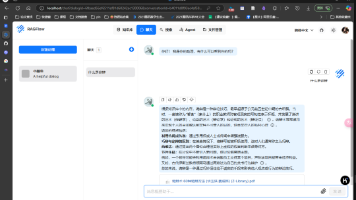
表示禁用PAM认证,也就是SSH认证将完全依赖于 sshd_config 的配置文件。列表中,尝试从 113.108.77.60 地址登录时,系统拒绝了该请求。这行日志表明,root 用户的 SSH 登录被拒绝,因为它没有被列在。参数,限制了哪些用户可以通过 SSH 登录。来实时获取对应的内容,并将结果扔给大模型,就可以很好的排查出问题。设置,你可以添加它。确保没有其他限制,允许 root 登录。
1. 通过日志排查
通过 cat /var/log/secure 可以来获取登录失败的原因。实际中可以通过以下命令实时监控:
tail -n 0 -f /var/log/secure
1.1 具体例子
[root@VM-16-33-centos ~]# sudo tail -f /var/log/secure
Jul  3 15:51:50 VM-16-33-centos sshd[7449]: Connection closed by 44.220.132.166
Jul  3 15:52:58 VM-16-33-centos sshd[7304]: Received signal 15; terminating.
Jul  3 15:52:58 VM-16-33-centos sshd[7840]: Server listening on 0.0.0.0 port 22.
Jul  3 15:53:01 VM-16-33-centos sshd[7868]: User root from 113.108.77.60 not allowed because not listed in AllowUsers
Jul  3 15:53:01 VM-16-33-centos sshd[7869]: input_userauth_request: invalid user root
Jul  3 15:53:01 VM-16-33-centos sshd[7869]: userauth_pubkey: unsupported public key algorithm: ssh-ed25519
Jul  3 15:53:03 VM-16-33-centos sshd[7868]: error: Could not get shadow information for NOUSER
Jul  3 15:53:03 VM-16-33-centos sshd[7868]: Failed password for invalid user root from 113.108.77.60 port 33401 ssh2
Jul  3 15:53:05 VM-16-33-centos sshd[7868]: Failed password for invalid user root from 113.108.77.60 port 33401 ssh2
Jul  3 15:53:43 VM-16-33-centos sudo:     root : TTY=pts/0 ; PWD=/root ; USER=root ; COMMAND=/usr/bin/tail -f /var/log/secure
日志分析
从 /var/log/secure 日志中,我们可以看到以下关键信息:
Jul 3 15:53:01 VM-16-33-centos sshd[7868]: User root from 113.108.77.60 not allowed because not listed in AllowUsers
这行日志表明,root 用户的 SSH 登录被拒绝,因为它没有被列在 AllowUsers 配置中。具体来说,SSH 服务的配置文件中设置了 AllowUsers 参数,限制了哪些用户可以通过 SSH 登录。由于 root 不在 AllowUsers 列表中,尝试从 113.108.77.60 地址登录时,系统拒绝了该请求。
解决方法
-
修改 sshd_config 文件,允许 root 用户登录
在
/etc/ssh/sshd_config文件中,找到并修改AllowUsers设置,确保 root 用户被允许登录。比如:AllowUsers root <other_usernames>如果没有
AllowUsers设置,你可以添加它。确保没有其他限制,允许 root 登录。 -
重启 SSH 服务
修改 sshd_config 文件后,记得重启 SSH 服务以使更改生效:
sudo systemctl restart sshd
来实时获取对应的内容,并将结果扔给大模型,就可以很好的排查出问题。
2. PermitRootLogin
参数 PermitRootLogin 设置为 no 或者 prohibit-password 都会导致无法登录 SSH。
对应的 /var/log/secure 的报错如下:
PermitRootLogin yes # 允许root用户登录
Jul 3 16:07:10 VM-16-33-centos sshd[13295]: Failed password for root from 113.108.77.60 port 27180 ssh2
3. UsePAM
在 /etc/ssh/sshd_config 中,参数 UsePAM no 表示禁用PAM认证,也就是SSH认证将完全依赖于 sshd_config 的配置文件。
UsePAM no
4. AllowUsers(DenyUsers)
AllowUsers 参数控制哪些用户可以通过SSH登录,可以指定多名用户:
AllowUsers root tester
也可以指定特定IP地址的用户:
AllowUsers root@47.107.126.252
5. AllowGroups(DenyGroups)
AllowGroups 参数控制哪些用户组可以通过SSH登录,可以指定多个用户组:
AllowGroups root tester
也可以指定特定IP地址的用户组:
AllowGroups root@47.107.126.252
6. 权限优先级说明
AllowUsers 的设置会优先于 DenyGroups。
在这种情况下 test 用户依旧可以登录,但是 test 用户组下的非 test 用户无法登录:
AllowUsers test
DenyGroups test
7. 一键配置脚本(当无法通过ssh登录时)
#!/bin/bash

# SSH安全配置脚本
# 作者: SSH配置助手
# 版本: 1.0
# 用途: 自动配置SSH服务器安全设置

set -euo pipefail  # 严格模式

# 颜色定义
RED='\033[0;31m'
GREEN='\033[0;32m'
YELLOW='\033[1;33m'
BLUE='\033[0;34m'
NC='\033[0m' # No Color

# 配置变量
SSH_CONFIG="/etc/ssh/sshd_config"
BACKUP_DIR="/etc/ssh/backup"
LOG_FILE="/var/log/ssh_config.log"
TIMESTAMP=$(date '+%Y%m%d_%H%M%S')

# 日志函数
log() {
    echo "[$(date '+%Y-%m-%d %H:%M:%S')] $1" | tee -a "$LOG_FILE"
}

# 打印带颜色的消息
print_message() {
    local color=$1
    local message=$2
    echo -e "${color}${message}${NC}"
}

# 检查是否为root用户
check_root() {
    if [[ $EUID -ne 0 ]]; then
        print_message "$RED" "错误: 此脚本需要root权限运行"
        exit 1
    fi
}

# 创建备份目录
create_backup_dir() {
    if [[ ! -d "$BACKUP_DIR" ]]; then
        mkdir -p "$BACKUP_DIR"
        print_message "$GREEN" "已创建备份目录: $BACKUP_DIR"
    fi
}

# 备份当前SSH配置
backup_ssh_config() {
    local backup_file="${BACKUP_DIR}/sshd_config_${TIMESTAMP}"

    if [[ -f "$SSH_CONFIG" ]]; then
        cp "$SSH_CONFIG" "$backup_file"
        print_message "$GREEN" "已备份SSH配置到: $backup_file"
        log "备份SSH配置: $backup_file"
        return 0
    else
        print_message "$RED" "错误: SSH配置文件不存在: $SSH_CONFIG"
        return 1
    fi
}

# 应用SSH配置
apply_ssh_config() {
    print_message "$BLUE" "正在应用SSH配置..."

    cat > "$SSH_CONFIG" << 'EOF'
# SSH服务器配置文件
# 由SSH配置脚本自动生成

# ==================== 基础配置 ====================
Port 22
Protocol 2

# ==================== 认证配置 ====================
# 允许root登录(谨慎使用)
PermitRootLogin yes

# 禁用空密码
PermitEmptyPasswords no

# 启用密码认证
PasswordAuthentication yes

# 启用公钥认证
PubkeyAuthentication yes

# ==================== PAM配置 ====================
# 禁用PAM认证
UsePAM no

# ==================== 用户和组控制 ====================
# 允许特定用户登录
AllowUsers root

# 允许特定用户组登录
AllowGroups root

# ==================== 安全增强配置 ====================
# 最大认证尝试次数
MaxAuthTries 3

# 最大会话数
MaxSessions 10

# 登录宽限时间
LoginGraceTime 60

# 客户端存活检测
ClientAliveInterval 300
ClientAliveCountMax 3

# ==================== 其他安全设置 ====================
# 禁用DNS反向解析(提高连接速度)
UseDNS no

# 禁用GSSAPI认证(提高连接速度)
GSSAPIAuthentication no

# 启用严格模式
StrictModes yes

# 设置日志级别
LogLevel INFO

# 禁用用户环境处理
PermitUserEnvironment no

# 压缩延迟
Compression delayed
EOF

    print_message "$GREEN" "SSH配置已应用"
    log "SSH配置已更新"
}

# 验证SSH配置
validate_ssh_config() {
    print_message "$BLUE" "正在验证SSH配置..."

    if sshd -t -f "$SSH_CONFIG" 2>/dev/null; then
        print_message "$GREEN" "SSH配置验证通过"
        log "SSH配置验证成功"
        return 0
    else
        print_message "$RED" "SSH配置验证失败"
        sshd -t -f "$SSH_CONFIG"
        log "SSH配置验证失败"
        return 1
    fi
}

# 重启SSH服务
restart_ssh_service() {
    print_message "$BLUE" "正在重启SSH服务..."

    # 检测系统类型并重启服务
    if command -v systemctl >/dev/null 2>&1; then
        if systemctl restart sshd; then
            print_message "$GREEN" "SSH服务重启成功 (systemctl)"
            log "SSH服务重启成功"
            return 0
        else
            print_message "$RED" "SSH服务重启失败"
            return 1
        fi
    elif command -v service >/dev/null 2>&1; then
        if service sshd restart; then
            print_message "$GREEN" "SSH服务重启成功 (service)"
            log "SSH服务重启成功"
            return 0
        else
            print_message "$RED" "SSH服务重启失败"
            return 1
        fi
    else
        print_message "$RED" "无法找到适当的服务管理命令"
        return 1
    fi
}

# 检查SSH服务状态
check_ssh_status() {
    print_message "$BLUE" "检查SSH服务状态..."

    if command -v systemctl >/dev/null 2>&1; then
        systemctl status sshd --no-pager -l
    elif command -v service >/dev/null 2>&1; then
        service sshd status
    fi

    # 检查端口监听
    if netstat -tlnp 2>/dev/null | grep -q ":22 "; then
        print_message "$GREEN" "SSH服务正在监听端口22"
    else
        print_message "$YELLOW" "警告: SSH服务可能未正确监听端口22"
    fi
}

# 显示配置摘要
show_config_summary() {
    print_message "$BLUE" "==================== 配置摘要 ===================="
    echo "端口: 22"
    echo "Root登录: 允许"
    echo "密码认证: 启用"
    echo "公钥认证: 启用"
    echo "PAM认证: 禁用"
    echo "允许用户: root"
    echo "允许用户组: root"
    echo "最大尝试次数: 3"
    echo "最大会话数: 10"
    echo "客户端存活检测: 300秒"
    print_message "$BLUE" "=================================================="
}

# 安全提示
show_security_warnings() {
    print_message "$YELLOW" "==================== 安全提示 ===================="
    print_message "$YELLOW" "1. 已禁用PAM认证,请确保其他安全措施到位"
    print_message "$YELLOW" "2. 允许root登录存在安全风险,建议使用普通用户+sudo"
    print_message "$YELLOW" "3. 建议配置防火墙限制SSH访问来源"
    print_message "$YELLOW" "4. 定期检查SSH登录日志: /var/log/secure"
    print_message "$YELLOW" "5. 考虑使用非标准端口提高安全性"
    print_message "$YELLOW" "=================================================="
}

# 回滚功能
rollback_config() {
    local latest_backup=$(ls -t "${BACKUP_DIR}"/sshd_config_* 2>/dev/null | head -n1)

    if [[ -n "$latest_backup" ]]; then
        print_message "$YELLOW" "找到备份文件: $latest_backup"
        read -p "是否要回滚到此配置? (y/N): " -n 1 -r
        echo

        if [[ $REPLY =~ ^[Yy]$ ]]; then
            cp "$latest_backup" "$SSH_CONFIG"
            if validate_ssh_config && restart_ssh_service; then
                print_message "$GREEN" "配置已成功回滚"
                log "配置回滚成功: $latest_backup"
            else
                print_message "$RED" "回滚失败"
                return 1
            fi
        fi
    else
        print_message "$RED" "未找到备份文件"
        return 1
    fi
}

# 测试SSH连接
test_ssh_connection() {
    print_message "$BLUE" "测试SSH连接..."

    # 获取本机IP
    local local_ip=$(hostname -I | awk '{print $1}')

    print_message "$YELLOW" "请在另一个终端测试SSH连接:"
    print_message "$YELLOW" "ssh root@${local_ip}"
    print_message "$YELLOW" "ssh root@localhost"

    read -p "测试完成后按Enter继续..."
}

# 主菜单
show_menu() {
    clear
    print_message "$BLUE" "==================== SSH配置管理脚本 ===================="
    echo "1. 应用SSH配置"
    echo "2. 验证当前配置"
    echo "3. 重启SSH服务"
    echo "4. 查看服务状态"
    echo "5. 显示配置摘要"
    echo "6. 回滚配置"
    echo "7. 测试SSH连接"
    echo "8. 查看备份文件"
    echo "9. 退出"
    print_message "$BLUE" "=========================================================="
}

# 查看备份文件
show_backups() {
    print_message "$BLUE" "备份文件列表:"
    if ls "${BACKUP_DIR}"/sshd_config_* 2>/dev/null; then
        echo
        print_message "$BLUE" "选择要查看的备份文件编号,或按Enter返回:"
        select backup in "${BACKUP_DIR}"/sshd_config_*; do
            if [[ -n "$backup" ]]; then
                print_message "$GREEN" "查看备份文件: $backup"
                echo "----------------------------------------"
                cat "$backup"
                echo "----------------------------------------"
                read -p "按Enter继续..."
            fi
            break
        done
    else
        print_message "$YELLOW" "未找到备份文件"
    fi
}

# 主程序
main() {
    # 检查权限
    check_root

    # 创建日志文件
    touch "$LOG_FILE"
    log "SSH配置脚本启动"

    # 创建备份目录
    create_backup_dir

    # 如果提供了参数,直接执行
    if [[ $# -gt 0 ]]; then
        case "$1" in
            "apply")
                backup_ssh_config
                apply_ssh_config
                validate_ssh_config && restart_ssh_service
                show_config_summary
                show_security_warnings
                ;;
            "rollback")
                rollback_config
                ;;
            "validate")
                validate_ssh_config
                ;;
            *)
                echo "用法: $0 [apply|rollback|validate]"
                exit 1
                ;;
        esac
        exit 0
    fi

    # 交互式菜单
    while true; do
        show_menu
        read -p "请选择操作 (1-9): " choice

        case "$choice" in
            1)
                print_message "$YELLOW" "警告: 此操作将覆盖当前SSH配置"
                read -p "是否继续? (y/N): " -n 1 -r
                echo
                if [[ $REPLY =~ ^[Yy]$ ]]; then
                    backup_ssh_config
                    apply_ssh_config
                    if validate_ssh_config; then
                        restart_ssh_service
                        show_config_summary
                        show_security_warnings
                    else
                        print_message "$RED" "配置验证失败,请检查配置"
                    fi
                fi
                read -p "按Enter继续..."
                ;;
            2)
                validate_ssh_config
                read -p "按Enter继续..."
                ;;
            3)
                restart_ssh_service
                read -p "按Enter继续..."
                ;;
            4)
                check_ssh_status
                read -p "按Enter继续..."
                ;;
            5)
                show_config_summary
                read -p "按Enter继续..."
                ;;
            6)
                rollback_config
                read -p "按Enter继续..."
                ;;
            7)
                test_ssh_connection
                ;;
            8)
                show_backups
                read -p "按Enter继续..."
                ;;
            9)
                print_message "$GREEN" "退出脚本"
                log "SSH配置脚本退出"
                exit 0
                ;;
            *)
                print_message "$RED" "无效选择,请重试"
                read -p "按Enter继续..."
                ;;
        esac
    done
}

# 信号处理
trap 'print_message "$RED" "\n脚本被中断"; exit 1' INT TERM

# 启动主程序
main "$@"

一站式 AI 云服务平台
更多推荐


 4
4 0
0- 0


 已为社区贡献2条内容

所有评论(0)